
Angee Life Worth Foundation Trains PHC Workers on Mental Health Advocacy, Stigma Reduction, and Referral
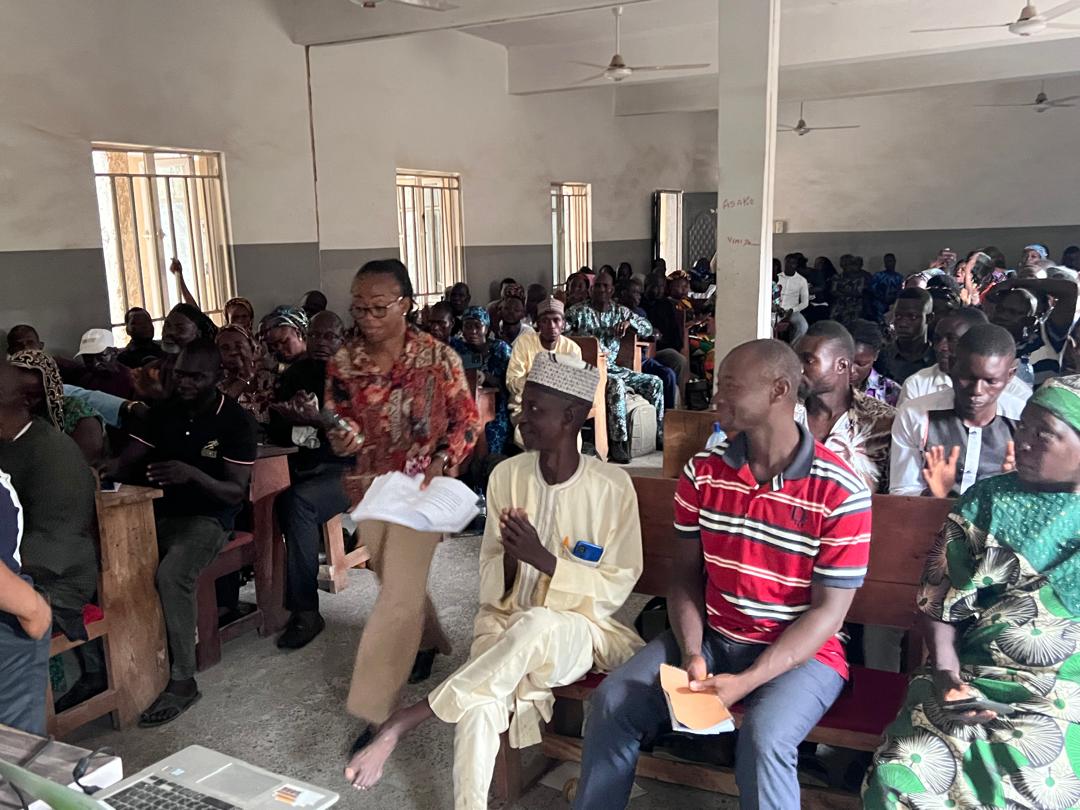
The Angee Life Worth Foundation, under the leadership of Dr. Mrs. Angela C. Oleka, a Mental Health Coach and Health Educator, has successfully conducted a vital training program for Primary Health Care (PHC) workers focused on strengthening mental health services at the community level.
Held in April 2026, the training brought together frontline health workers to build their capacity in mental health advocacy, stigma reduction, early identification, and effective referral systems—all critical components in improving mental health care delivery across communities.
Integrating Mental Health into Primary Care
During the session, participants were introduced to the concept of mental health as a core part of overall well-being. Emphasis was placed on the understanding that mental health affects how individuals think, feel, and behave, and is just as important as physical health.
PHC workers were reminded that mental health conditions such as depression, anxiety, psychosis, and substance use disorders are common in primary care settings and require proper attention and care.
PHC Workers as Mental Health Advocates
A key highlight of the training was the role of PHC workers as frontline advocates for mental health. Participants were encouraged to actively promote awareness through:
Health talks during clinic days
Community outreach in churches, mosques, and markets
School health programs
One-on-one patient education
The training emphasized the importance of delivering culturally sensitive messages, combining respect for local beliefs with accurate health information.
Breaking the Barrier of Stigma
Stigma remains one of the biggest challenges in mental health care. The training addressed common misconceptions, such as beliefs that mental illness is caused by witchcraft or that affected individuals are dangerous.
Participants were guided on how to combat stigma by:
Using respectful and person-first language
Treating patients with dignity and confidentiality
Educating families and communities
Demonstrating empathy and professionalism in care
Practical scenarios were discussed to highlight the difference between harmful and supportive responses when dealing with individuals experiencing mental health challenges.
Early Identification and Basic Support
The training stressed that early identification saves lives. PHC workers were equipped to recognize warning signs such as persistent sadness, withdrawal, aggression, substance misuse, and suicidal thoughts.
They were also trained in Psychological First Aid (PFA) using the simple but effective approach:
Look – Observe signs of distress
Listen – Allow patients to express themselves
Link – Connect them to appropriate care
Strengthening Referral Systems
Recognizing that not all cases can be managed at the primary care level, the training provided clear guidance on when and how to refer patients.
Cases requiring referral include:
Suicide risk
Severe depression
Psychosis
Aggressive or violent behavior
Lack of improvement after basic care
Participants were guided on proper referral procedures, including communication with patients and families, documentation, and follow-up care. The importance of collaboration with hospitals, mental health specialists, and organizations such as the Angee Life Worth Foundation was emphasized.
Improving Documentation and Follow-Up
Accurate documentation and consistent follow-up were highlighted as essential components of quality care. PHC workers were trained to properly record patient details, symptoms, care provided, and referral actions, while also ensuring continuity of support within the community.
A Commitment to Better Mental Health Care
This training reflects the ongoing commitment of the Angee Life Worth Foundation to strengthening mental health systems at the grassroots level. By empowering PHC workers with the right knowledge and skills, the initiative is helping to ensure early intervention, reduced stigma, and improved access to care.
As communities continue to face growing mental health challenges, programs like this serve as a crucial step toward building a more inclusive, informed, and responsive healthcare system in Taraba State and beyond.
← Back to all news